TEAM DEVELOPMENT · TEAM CULTURE · COLLABORATION
Strengthen collaboration. Build trust. Make an impact together.
Team development is more than a team event or a short-term motivational measure. It focuses on what helps or hinders day-to-day collaboration: roles, communication, trust and shared goals.
We support executive leaders, managers, management teams, departments, project teams and newly formed teams – particularly in organisations undergoing change.
Develop collaboration within your team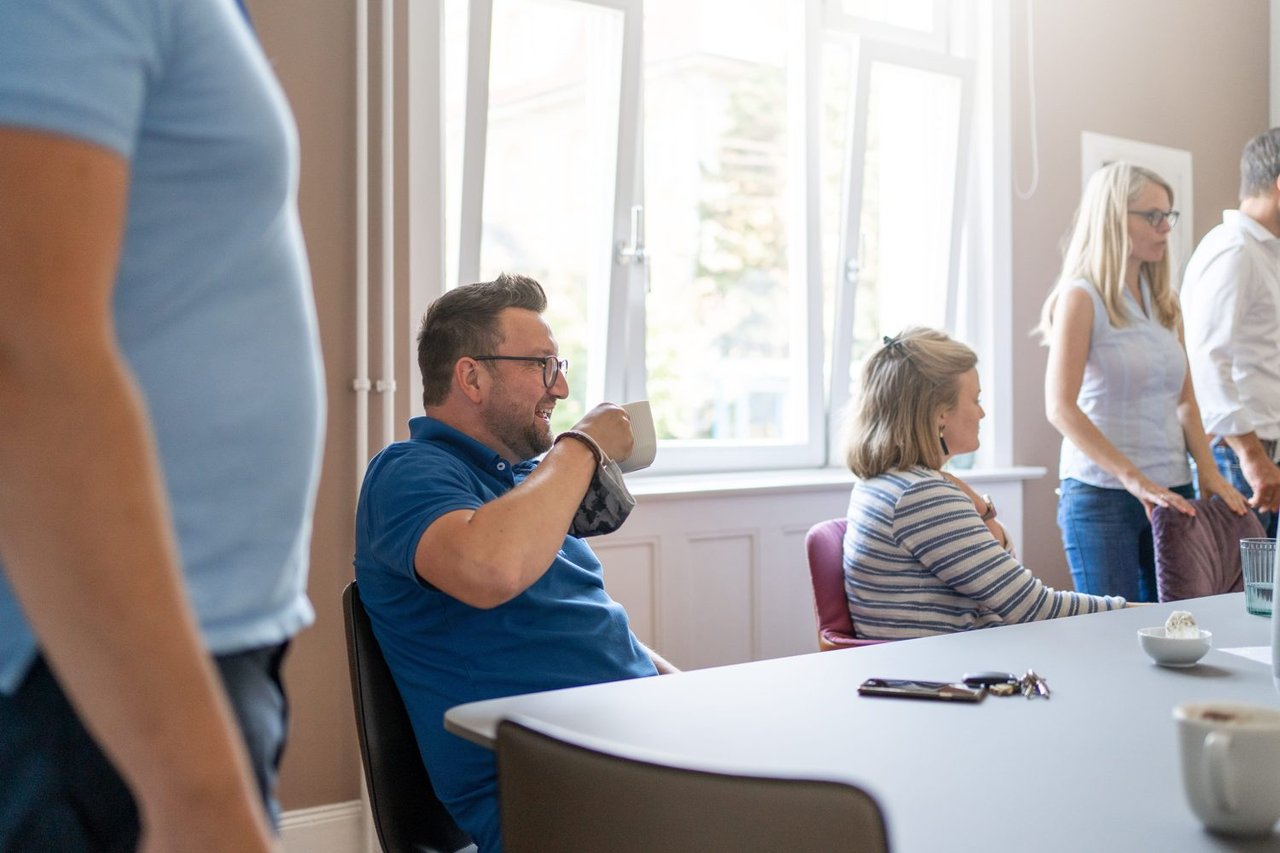
When team development makes sense
- A team is newly formed or has a new leader
- Collaboration between departments is not running smoothly
- Roles and responsibilities are unclear
- Conflicts are affecting the work
- A management team wants to agree on a shared direction
- Changes are unsettling the team
Our areas of focus
For this, we use existing formats: the Team Day at Leading.Akademie, team coaching at Leading.Coaching, organisational and development support over several months and – for complex leadership and organisational issues – the Systemic Leadership Lab.
Team workshops
Focused work on collaboration, goals and ground rules.
Collaboration across departments
Clarifying interfaces and handovers between departments.
Roles and responsibilities
Who decides what – and who is responsible for what?
Communication and conflict dynamics
Recognising patterns and addressing conflicts constructively.
Trust and psychological safety
Creating conditions in which people can speak openly.
Team culture and direction
Developing shared goals and a shared mindset – including during times of change.
How we work
Step 1
Clarify the brief
Discussing the reason, goals and participants with the leadership team.
Step 2
Understand the team
Making dynamics, roles and patterns visible together.
Step 3
Work together
Working on specific topics in a workshop or over several sessions.
Step 4
Embed the learning
Embedding agreements in day-to-day work and reviewing them together.
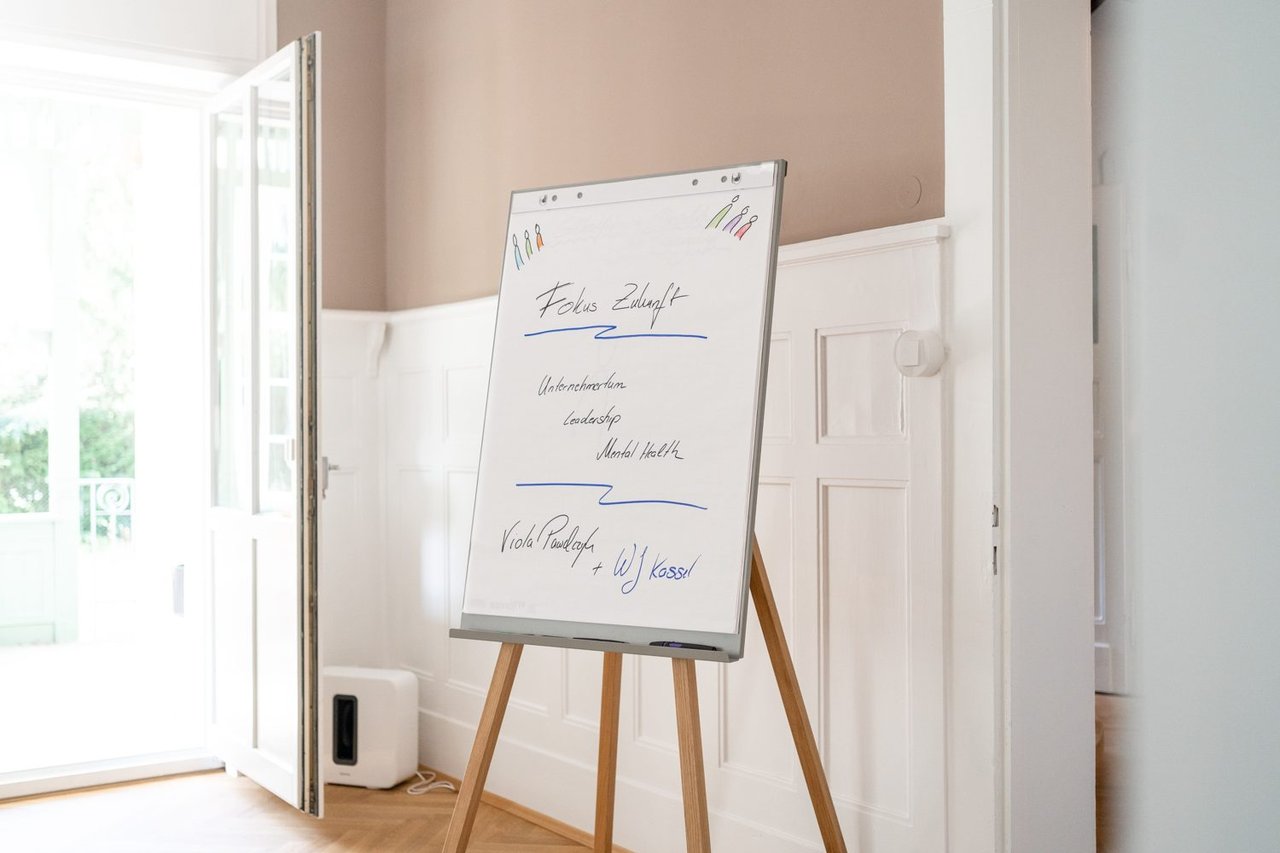
Systemic and practical
We see teams as part of their organisation: structures, leadership and collaboration interact.
Viola Pawelczyk is a Systemischer Coach & Change Manager and Agile Master Coach, trained at INeKO Institut – Psychologischer Lehrstuhl Universität zu Köln.
Our experience comes from medium-sized businesses, corporations and public and social sector organisations – across Germany and the DACH region.
Related topics
- Leading.People
Developing leadership, culture and collaboration.
- Team coaching
Supporting teams over several sessions.
- Leading.Akademie
Team Day and other formats.
- Organisational and development support
Support over several months.
- Systemic Leadership Lab
Addressing complex leadership and organisational issues.
- Leadership development
Long-term leadership programmes from Leading.Akademie.
Frequently asked questions
- What is team development?
- Team development is focused work on how a team collaborates – on goals, roles, communication, trust and team culture. It is more than a team event because it addresses actual working conditions.
- What is the difference between a team workshop and team coaching?
- A team workshop focuses on a specific topic, often over one day. Team coaching supports a team over several sessions and addresses dynamics that only emerge over time.
- Which teams is team development suitable for?
- For management teams, departments, project teams and newly formed teams – particularly during periods of change or when collaboration across departments needs to improve.
- How do you deal with conflicts within a team?
- We work together to make conflict dynamics visible, create a safe space and develop agreements that hold up in everyday work. The aim is constructive collaboration, not assigning blame.
- How are the results embedded in everyday practice?
- Through concrete agreements, follow-up sessions and leadership involvement. If you wish, we can support implementation over several months.
- How much does team development cost?
- The scope and fee depend on the size of the team, the reason for the work and the format, and are agreed individually in a personal conversation.
Develop collaboration within your team
Tell us about your team and what you would like to address. We will suggest a suitable format.